
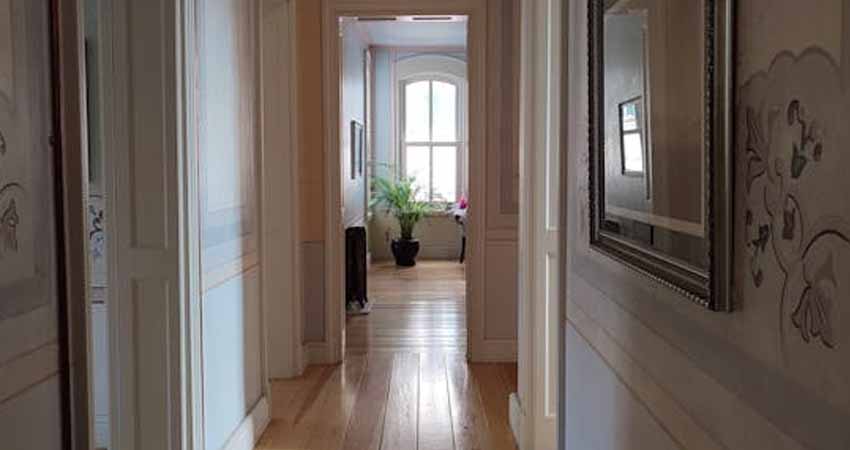
Hallways, entryways, and stairs do not always get the same attention as kitchens or living areas, but they often work harder than any other part of the home. These are the zones that deal with muddy shoes, school bags, pets racing in and out, guests arriving, furniture being moved, and constant day-to-day foot traffic. If the flooring is not chosen well, these areas tend to show wear first.
That is why flooring for these parts of the home needs a different mindset. A product that looks great in a quiet bedroom may not hold up nearly as well in a busy hallway or on a staircase used dozens of times a day. In our experience, the best result comes from balancing durability, safety, ease of cleaning, and the overall look you want for the home.
If you are planning a renovation, updating worn areas, or choosing finishes for a new build, here is how we recommend approaching flooring for high-traffic hallways, entryways, and stairs.
Why These Areas Need Harder-Working Flooring
The biggest challenge with hallways, entryways, and stairs is concentrated wear. A lounge may get spread-out use, but these areas are traffic funnels. People walk the same lines again and again, which means the flooring takes repeated impact in the exact same areas.
Entryways also deal with the outside world. Dirt, water, grit, and small stones can all be brought in on shoes. That can affect the appearance of the floor over time, especially if the surface is easily scratched or difficult to clean.
Stairs add another layer of pressure. They need to be durable, but they also need to feel safe underfoot. Slipping, noise, and wear on stair edges all need to be considered.
That is why choosing flooring for these spaces is less about chasing trends and more about finding a product that will still look good after years of use.
What To Prioritise In High-Traffic Zones
Before choosing a specific flooring type, we usually help homeowners think through the features that matter most.
Durability
High-traffic areas need flooring that can cope with regular use without quickly scuffing, flattening, or wearing through.
Ease Of Cleaning
Entryways and hallways are magnets for dust and dirt. Flooring that can be swept, vacuumed, or wiped down easily is a major advantage.
Safety
On stairs especially, grip matters. On hard surfaces, slip resistance needs to be considered carefully. On softer surfaces, secure installation is essential.
Noise Control
Footsteps through hallways and up and down stairs can create a surprising amount of noise. Some materials naturally soften sound better than others.
Visual Consistency
These are often connecting spaces, so the flooring needs to work with adjoining rooms and create a cohesive look through the home.
Carpet Is Still One Of The Strongest Options For Stairs
For staircases, carpet remains one of the most practical choices. It softens sound, feels comfortable underfoot, and adds an important element of grip. For families with children or older household members, that extra sense of security matters.
A good quality carpet can also handle repeated use well when the right fibre is chosen. For high-traffic stair use, solution-dyed nylon is often a smart option because it offers strong stain resistance, good colour retention, and practical long-term performance. If you are exploring carpet flooring in Hamilton, it is worth thinking about both comfort and wear, especially on stairs where the same edges and tread lines get used constantly.
Carpet also works well in hallways when homeowners want warmth and quieter movement through the home. It can help soften long corridor spaces and make them feel less harsh, particularly in homes with timber or vinyl elsewhere.
Carpet Tiles Can Be Practical In Some Busy Areas
For certain entryways, hallways, and work-from-home spaces, carpet tiles can be a useful option too. Their biggest strength is replaceability. If one area near the door gets stained or worn faster than the rest, individual tiles can be swapped out without replacing the whole floor.
This makes them especially practical in homes where people are in and out regularly, or in mixed residential-commercial spaces where durability and maintenance matter just as much as appearance. Our published article on carpet tiles in Hamilton is a good supporting read if you want to understand where they perform best.
Luxury Vinyl Flooring Works Well In Entryways And Hallways
If the main concern is dirt, moisture, and easy cleaning, vinyl flooring in Hamilton is often one of the smartest options for entryways and busy hallways. Luxury vinyl planks and tiles are particularly effective in these spaces because they are hard-wearing, easy to clean, and able to handle the daily traffic that comes through the door.
For households with kids, pets, or regular visitors, this can make a real difference. Mud, water, and mess are easier to deal with on a surface that is designed for practical use. Luxury vinyl also comes in a wide range of timber-look finishes, which means you can still achieve a warm, stylish result without choosing a material that is high maintenance.
In many homes, vinyl becomes a strong option for the entryway and hallway while carpet is used on the stairs. That combination can work very well when you want durability at ground level and added grip where safety matters most.
Laminate Can Suit Hallways, But Stairs Need More Care
Timber and laminate flooring in Hamilton appeals to many homeowners because it offers a clean timber-look finish with strong scratch resistance and a cost-effective price point. In hallways, laminate can work very well, particularly when you want a crisp, modern look that ties into adjoining bedrooms or living areas.
It is also a practical option for family homes because it handles daily traffic well and is relatively easy to keep tidy. For narrower hallway spaces, that balance of appearance and durability can be very appealing.
Stairs are different. Laminate on stairs needs careful detailing and product selection, and it is not always the first option we recommend if softness, grip, and noise reduction are priorities. In many cases, homeowners get a better overall result by using laminate through the hallways and carpet on the stairs themselves.
Entryways Need Flooring That Can Handle The Outdoors
The entrance to a home takes a lot of punishment. Wet shoes, dirt, stones, pet paws, and shopping bags all pass through the same small area. If there is one place where durability and cleanability matter, it is here.
This is why we often guide homeowners toward harder-wearing flooring in entrance zones, especially where the front or back door opens straight onto the main interior. Vinyl is often the most practical choice in this situation, particularly if the area also connects to a laundry or kitchen.
Door mats help, of course, but they are only part of the solution. The flooring underneath still needs to be able to handle what daily life throws at it.
Choose Flooring That Holds Up Over Time
High-traffic areas show the difference between a flooring choice that looks good on paper and one that actually suits the home. Hallways, entryways, and stairs need materials that can cope with pressure, stay safe, and still look tidy after years of use.
For stairs, carpet is often the strongest option. For entryways, luxury vinyl is hard to go past. For hallways, laminate, vinyl, or carpet can all work depending on the home and how that space is used.
We help homeowners weigh up those decisions based on real life, not just product samples. If you are planning new flooring and want help comparing the best options for busy parts of the home, get in touch with us. We can help you choose flooring that looks right, performs properly, and keeps working hard long after installation.