
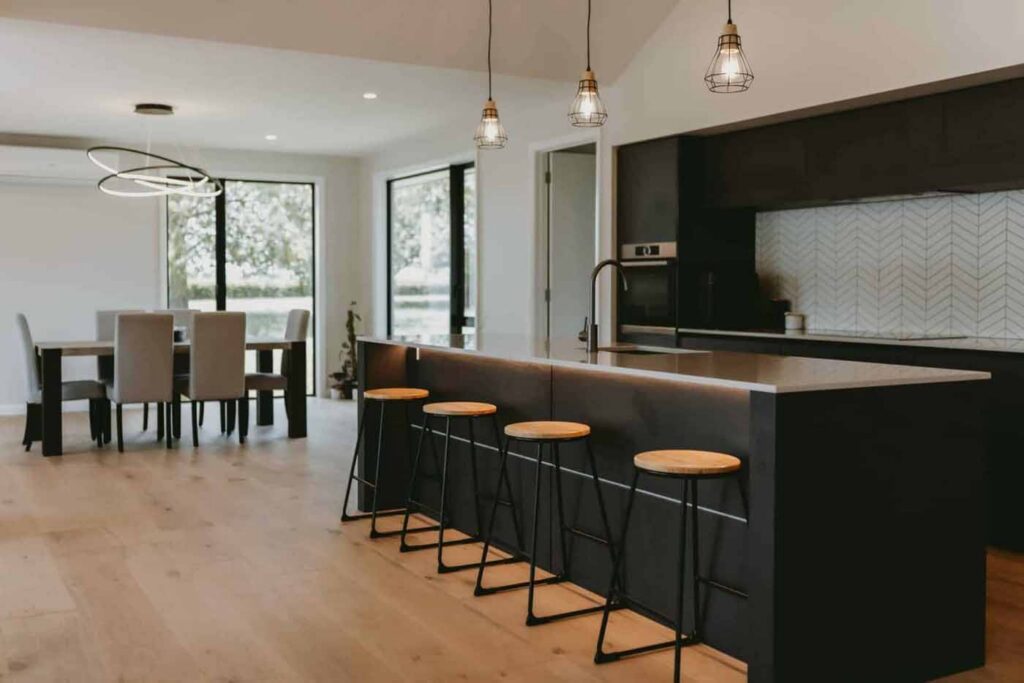
Kitchens and laundries are two of the hardest-working spaces in any home. They deal with daily foot traffic, spills, dropped utensils, water splashes, detergent drips, and the general mess that comes with real life. That means the flooring you choose for these rooms has to do a lot more than simply look good.
In our experience, homeowners often start by thinking about colour or style, then later realise that water resistance, cleaning, durability, and underfoot feel matter just as much. In a kitchen or laundry, the wrong flooring can become a constant frustration. The right one, on the other hand, makes the room easier to live with every day.
If you are planning a renovation, building new, or updating an investment property, here is what to consider when choosing the best flooring for kitchens and laundries in New Zealand homes.
Why Kitchens And Laundries Need A Different Flooring Approach
A bedroom or lounge can get away with flooring that is chosen mainly for comfort or appearance. Kitchens and laundries are different. These rooms are practical spaces first, and the flooring needs to support that.
Water exposure is one of the biggest factors. Even if the room is not soaking wet every day, it still deals with splashes, damp footwear, appliance leaks, and accidental spills. Flooring that cannot cope with moisture can swell, stain, or deteriorate far sooner than expected.
Cleaning is another major issue. Food crumbs, muddy footprints, laundry product residue, and pet mess all tend to collect in these spaces. A surface that wipes clean easily is a huge advantage.
Then there is durability. Chairs get pulled in and out around dining zones, baskets get dragged across laundry floors, and people are constantly moving through these areas. The floor has to stand up to repeated use without quickly showing wear.
What To Look For In Kitchen And Laundry Flooring
Before choosing a specific product, it helps to know which performance features matter most.
Water Resistance
This is one of the first boxes to tick. Kitchens and laundries are moisture-prone spaces, so flooring needs to handle splashes and spills without damage.
Durability
These are high-use rooms, so the flooring should resist scratches, dents, and general day-to-day wear.
Ease Of Cleaning
Smooth, low-maintenance surfaces usually work best. In practical spaces, flooring that is simple to mop and keep tidy saves time and effort.
Comfort Underfoot
People spend a lot of time standing in kitchens and laundries. A floor that feels too hard or cold can become uncomfortable over time.
Design Flexibility
Practical does not need to mean plain. Many modern flooring products are designed to handle busy spaces while still delivering a polished, stylish finish.
Why Luxury Vinyl Tiles Are A Strong Choice
For many New Zealand homes, vinyl flooring in Hamilton is one of the best options for kitchens and laundries. More specifically, luxury vinyl tiles and planks are often where we steer homeowners when they want a balance of performance and appearance.
Luxury vinyl tiles are highly practical in moisture-prone spaces. They offer strong water resistance, they are easy to clean, and they cope well with the daily demands of family living. If a child spills juice, the washing machine leaves a bit of moisture behind, or muddy shoes come through the back door, you are dealing with a surface that is built for that type of environment.
They are also easier underfoot than some harder flooring materials. That matters in kitchens, where people often spend long periods standing while cooking or cleaning. In laundries, it can make the space feel less harsh and more usable.
From a design point of view, luxury vinyl tiles are incredibly flexible. They can replicate the look of timber, stone, or tile while giving you a softer, more forgiving surface. That means you can achieve a warm, high-end finish without choosing a product that is difficult to maintain.
Where Laminate Can Work, And Where It Needs Caution
Laminate remains a popular flooring choice because it offers a timber-look finish at a budget-friendlier price point. Our timber and laminate flooring options are a strong fit for many parts of the home, especially where people want durability and the look of wood.
In kitchens, laminate can sometimes work well if the product is suitable for the space and the household is prepared to stay on top of spills. It gives a clean, modern appearance and is usually very good in terms of scratch resistance and general wear.
Laundries are a different story. Because they are more exposed to water, splashes, and the possibility of appliance leaks, laminate needs more caution. If moisture gets into the wrong place, the flooring can be compromised.
What About Engineered Timber?
Engineered timber brings warmth and natural character into a home in a way few other materials can. It is one of the most attractive options for open-plan living, dining, and hallway areas. If you love the appearance of real wood, it is an easy product to be drawn to.
That said, kitchens and laundries are not always the best place to push timber too far. Engineered timber is often a better fit in adjoining living zones rather than the wettest parts of the house. In open-plan homes, we often help clients create a flooring combination that keeps the look flowing while making smarter choices around moisture.
For example, timber may suit the dining and living areas beautifully, while luxury vinyl flooring for wet-prone spaces makes more sense in the kitchen or laundry. That gives you both performance and visual consistency.
Why Carpet Is Usually Better Kept Out Of These Spaces
We offer excellent carpet flooring solutions for many parts of the home, but kitchens and laundries are generally not where carpet performs best. These rooms need moisture resistance and quick cleaning, which carpet does not naturally offer.
Carpet is still a great choice for bedrooms, lounges, and spaces where softness and warmth matter more. In kitchens and laundries, though, it usually creates extra maintenance and is harder to keep fresh over time.
That contrast can actually help homeowners make clearer flooring decisions. Different rooms need different strengths, and the best whole-home flooring plan often comes from matching each product to its environment rather than trying to make one floor type work everywhere.
Open-Plan Homes Need Careful Flooring Planning
One of the biggest design challenges comes when the kitchen is part of a larger open-plan area. Homeowners often want one consistent look across the kitchen, dining, and living space, but those areas do not all face the same conditions.
This is where good planning becomes important. You want the space to feel cohesive, but you also want to avoid forcing the wrong material into a high-moisture area just for visual continuity.
This is why visiting a showroom or viewing samples in person helps. It is much easier to compare tones, textures, and transitions when you can actually see how products will sit together. If you want inspiration before deciding, our published blog on top flooring options for Hamilton homes is a useful next read.
Choosing The Right Floor For The Way You Live
If you want strong water resistance, easy cleaning, and durability, luxury vinyl tiles are usually one of the smartest choices. If timber-look style and scratch resistance are your top priorities, laminate may suit parts of the kitchen depending on the product and layout. If you want natural warmth in adjoining spaces, engineered timber can be part of the broader flooring plan without being pushed into the wettest zones.
We help homeowners work through those decisions with the actual room, household, and budget in mind. If you are weighing up options for a renovation or new build, get in touch with us. We can help you compare products, view samples, and choose flooring that looks right and performs properly where it matters most.